FleetWave®

Looking for better wireless communications? Want to reduce your operational costs? Cell phone bills killing your bottom line? Have you ever been unable to reach one of your employees to pass on vital information? FleetWave® is the solution.
Do you manage a fleet of 5 or more service or delivery vehicles? If the answer is yes, call us today for an assessment of your current communication needs so we can formulate the best solution to help increase productivity for your company.
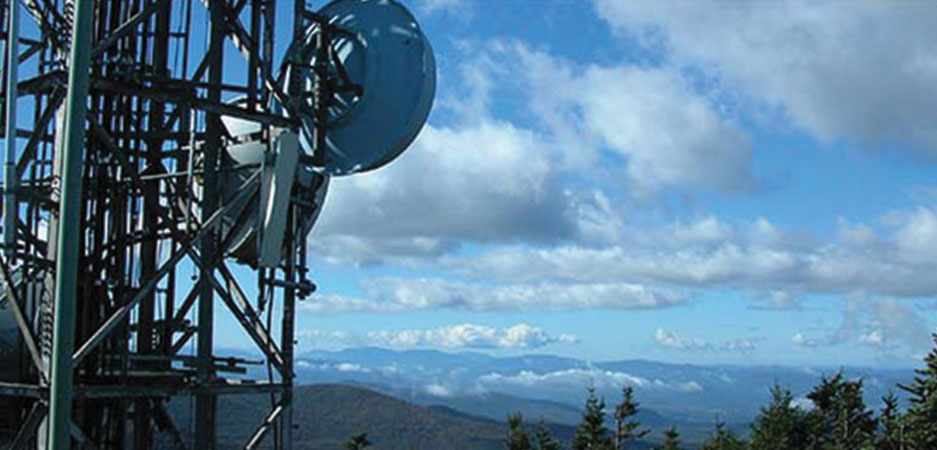
2-Way radio users in a non-repeater system must rely on direct line of site to talk to other users. Mountains, buildings and other obstacles often get in the way. A repeater is an automated relay station that enables two-way radio users to talk greater distances by rebroadcasting their signal from higher elevations. Our repeaters are located on the highest points in Vermont to give you the best coverage possible.
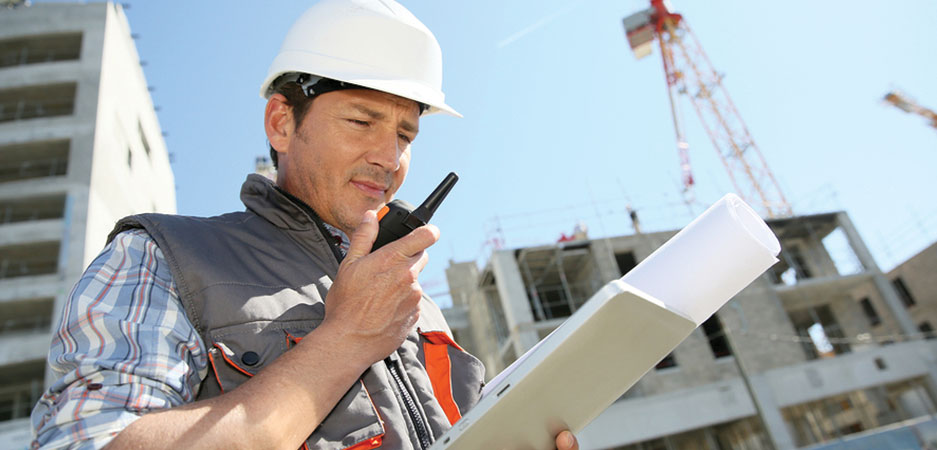
In a standard repeater system, two-way radio users must share one repeater channel. Users often have to wait for another conversation to finish before they can talk. Trunking solves this problem by using multiple repeaters that automatically assign the radio user a free channel. In the event that all channels are busy the user is notified with a busy signal. Unlike a standard repeater system, the users do not hear each others conversations. Other features include out-of-range tones and call indication.
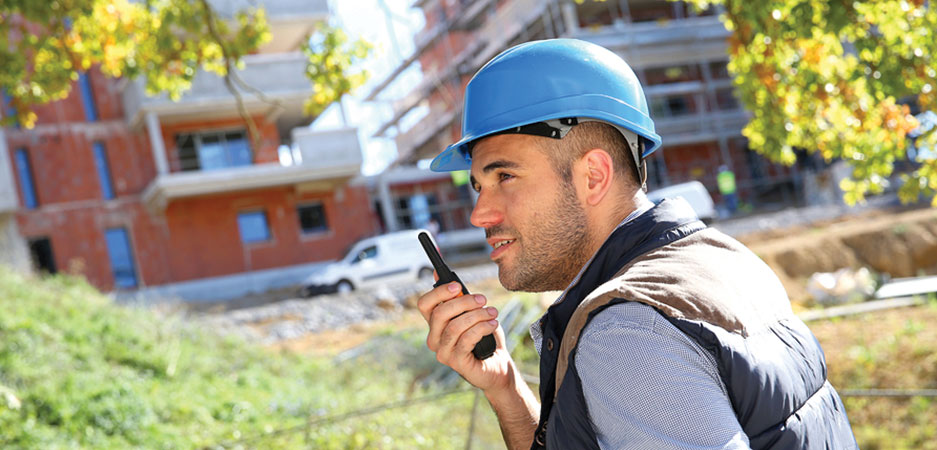
- Fast System Access
- Low Cost
- Privacy
- Messaging Capabilities
- Wide Area Coverage
- Proven Radio Products
- Unlimited Airtime
- No FCC License Required
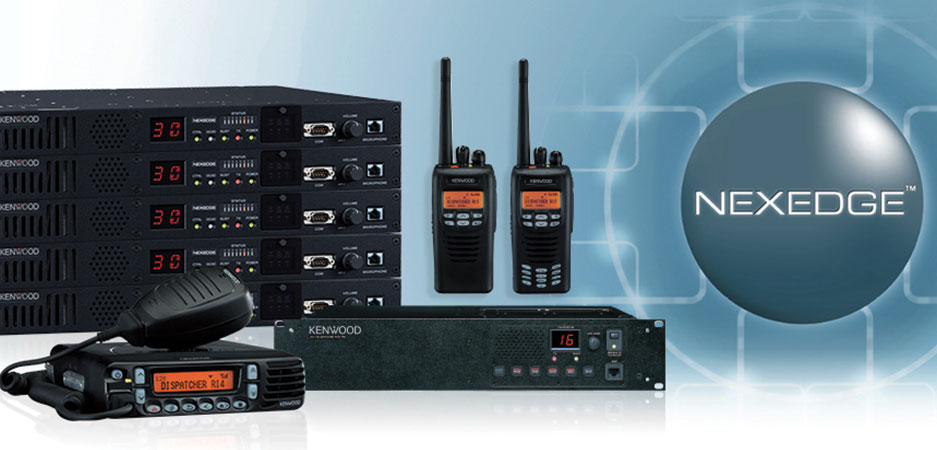
FleetWave® uses Kenwood's NEXEDGE™ conventional and trunking technology featuring 6.25 kHz digital narrowband operation. NEXEDGE™ was designed to provide advanced communication solutions that meet the needs of private enterprise and public sectors today and in the future. NEXEDGE™ includes features such as FM Analog @ 25 and 12.5 kHz channels, NXDN™ digital @ 12.5 and 6.25 kHz channels, compliance with current frequency assignments, and NEXEDGE™ will easily convert to very narrow bandwidths in the future.
-
Group CallOpen or Close
The Primary Function of our system. Push-To-Talk from one to many individuals.
-
Digital VoiceOpen or Close
No scratchy conversations like in analog technologies.
-
Caller IDOpen or Close
The Radio Number or name of the caller shows up on the display.
-
Encrypted Radio ConversationsOpen or Close
Prevents “Betty Bearcat” or competitors from listening in on conversations with radio scanners.
-
Paging Calls and Text MessagesOpen or Close
The Dispatcher can send a text page to an individual radio.
-
Encrypted Radio ConversationsOpen or Close
Prevents “Betty Bearcat” or competitors from listening in on conversations with radio scanners.
-
Status MessagesOpen or Close
The Driver can send short text messages to Dispatch such as “On-Site, Pouring, Leaving Site, etc.
-
Emergency CallOpen or Close
Description needed.
-
Private 1:1 ConversationsOpen or Close
Description needed.
-
Optional GPS Vehicle LocationOpen or Close
All plans require the purchase of lease of radio equipment or GPS devices. VP GPS has optional 2, 3 or 5 minute updates.